 Brandeet
Why Restaurants Need More Than a Menu Page Online
A website with just a menu isn't enough for restaurants anymore. Here's what actually brings diners through the door.
- restaurants
- small business
- online presence
- google maps
- social media
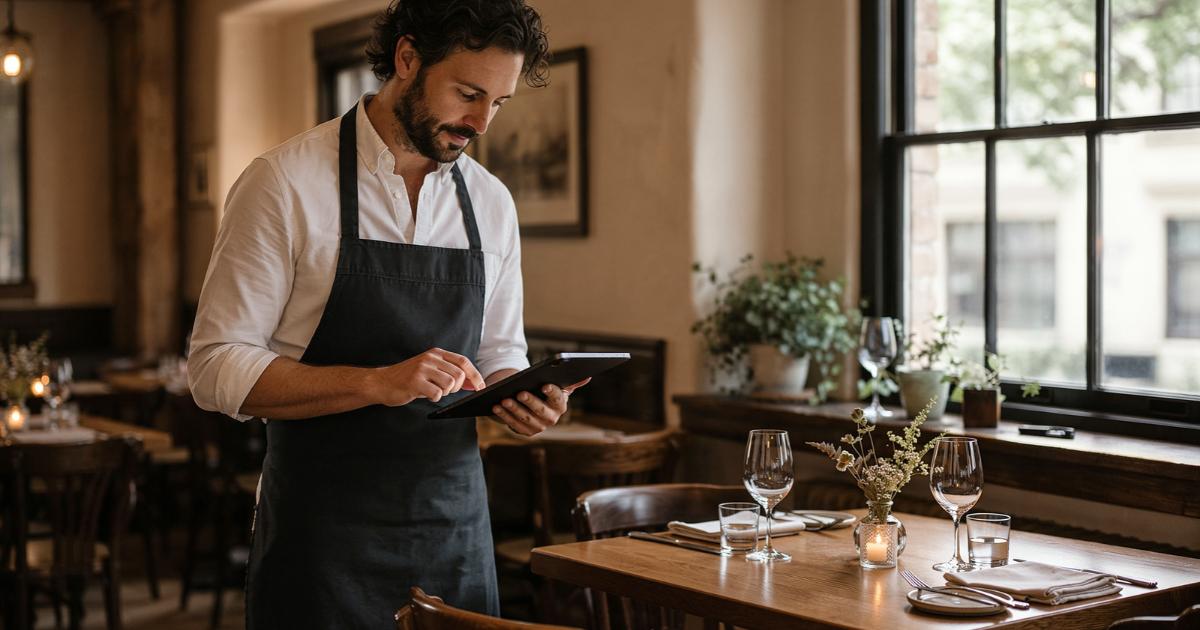
A diner searching for dinner tonight does not open a restaurant's website to admire the design. They want to know if it is open right now, what is on the menu, whether they need a reservation, and what it actually looks like inside. If the website cannot answer those questions in a few seconds, the search moves on to the next result, usually a competitor's Google Business Profile or Instagram page instead.
That is the uncomfortable truth for a lot of restaurants: the website was built once, a few years ago, as a static menu page, and everything that actually drives bookings today lives somewhere else, updated inconsistently or not at all. Fixing that does not mean a redesign, it means connecting the pieces that already matter to how people actually choose where to eat.
The menu page is the smallest part of the decision
Hours, location, price range, and recent photos of the food usually matter more than the menu itself, because most diners have already narrowed down what they feel like eating before they land on a specific restaurant's page. What convinces them to pick one place over another is proof it is good right now: recent reviews, a photo from last week rather than three years ago, and a Google Business Profile that says exactly when the kitchen closes tonight.
Google Maps is doing more selling than the homepage
For a restaurant, the Google Business Profile usually gets seen before the website does, since it shows up directly in Maps and local search results with hours, photos, and reviews right there. A profile with outdated hours or no response to recent reviews quietly loses bookings every single night, often without the owner noticing, because nobody complains, they just choose somewhere else.
Social media fills the gap between visits
A regular who already knows the menu is not checking the website again, they are checking Instagram or Facebook to see what is new: a seasonal dish, a live music night, a last-minute table available for tonight. Restaurants that post consistently stay in that rotation of places people think about; the ones that post once a month fade out of it, even with loyal customers.
Reservations should not require a phone call during service
Every reservation taken by phone during a dinner rush pulls staff away from tables that are already full. A simple online booking link, shared from the website, the Google profile, and social media, lets customers reserve a table without anyone picking up the phone, and it works just as well at midnight as at 7pm on a Friday.
Keeping it all in sync is the actual job
The hard part is not having a website, a Google profile, and social media, most restaurants already have all three. The hard part is updating all of them every time something changes: a new seasonal menu, a holiday closure, a change in hours. This is exactly where Brandeet's approach to digital presence pays off for restaurants, with the website, the Google Business Profile, social content, and online bookings connected instead of managed separately, so one update to tonight's specials reaches everywhere a hungry customer might be looking.
Running a restaurant already means long hours on the floor and in the kitchen. Brandeet exists to take the digital side off that list: one platform that keeps the website, Google Maps presence, social posts, and reservations working together, so the next table gets booked without anyone stopping service to update five different things.